Full-Service Human Robotics Contract Manufacturing
We help human robotics teams move from prototype to production with medical-grade precision, lightweight durability, and audit-ready quality systems.
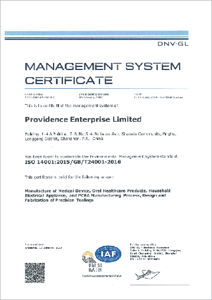
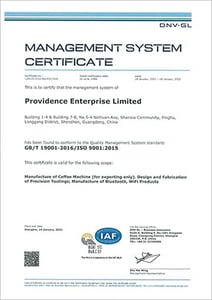
ISO 13485 • ISO 9001 • ISO 27001 • IATF 16949 • Global manufacturing footprint
What we can build for Human Robotics
Download the Human Robotics capability statement to review our core competencies, compliance, and approach to scaling complex assemblies.
Challenges we solve
Outcomes you want
Why Providence

Strategic footprint
Manufacturing capacity and geographic flexibility to support resilience and scale.
.

Quality & compliance
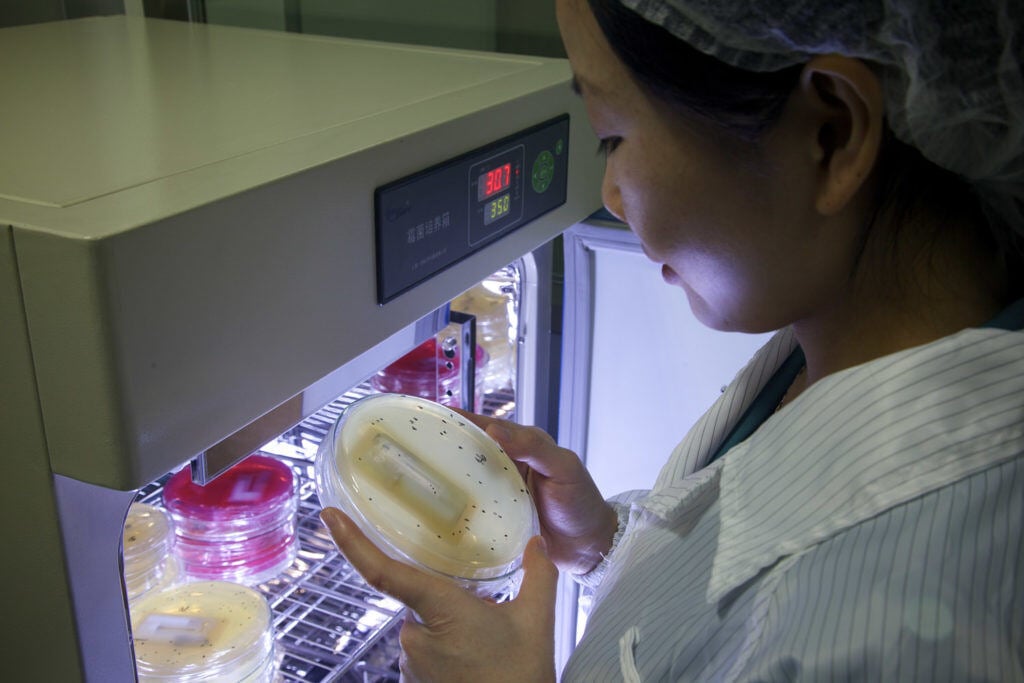
ISO 13485-certified systems designed for human-impact devices and high reliability.

End-to-end capability
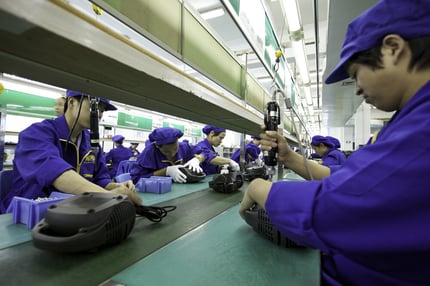
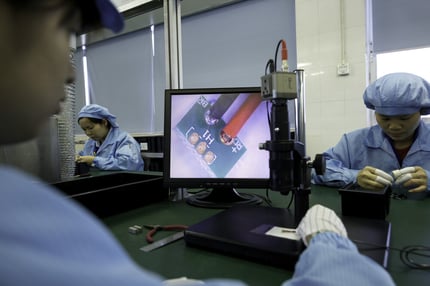
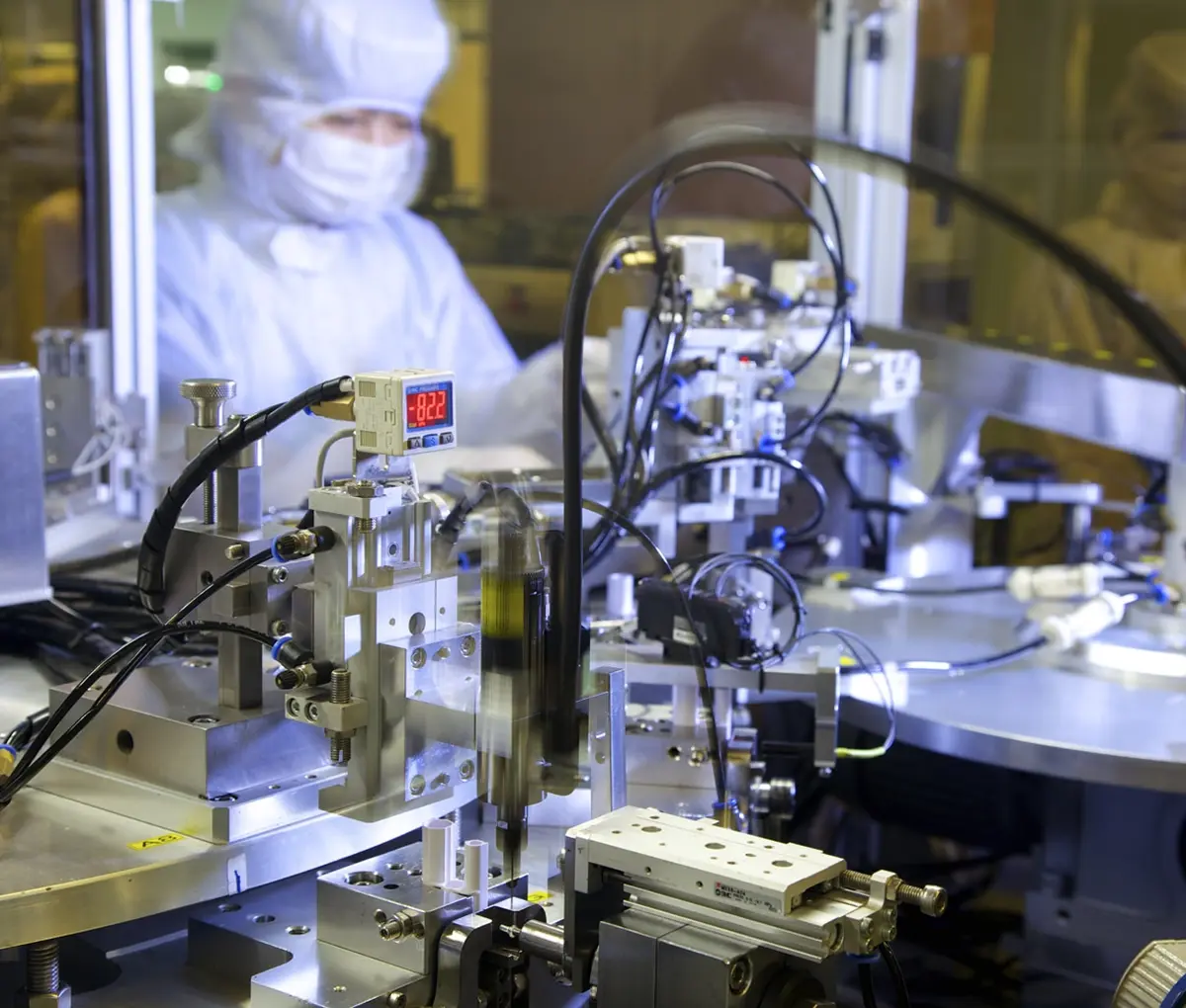
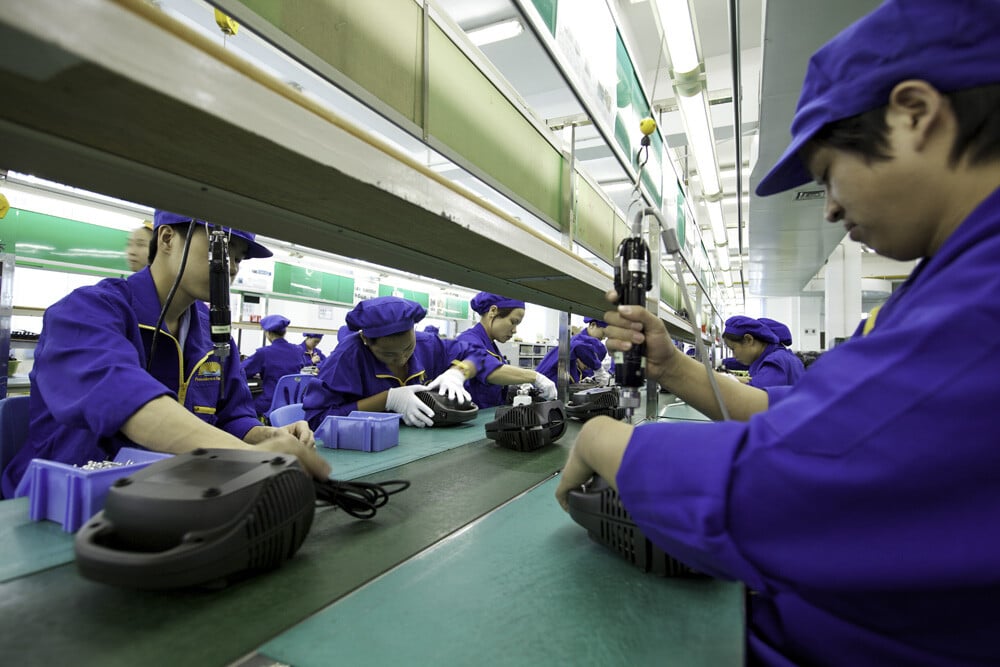
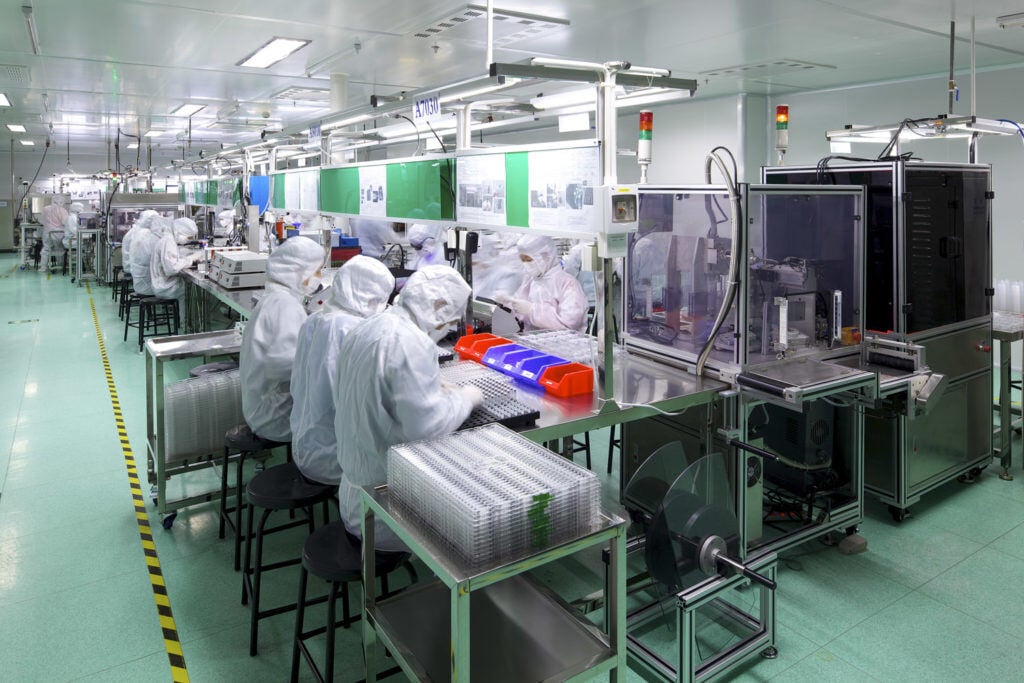
From DFM and tooling through molding, PCB assembly, precision assembly, test, and final packaging.
Certified for Your Peace of Mind
Our quality systems are designed to meet the expectations of regulated and high-reliability products, including assistive and wearable robotics.
View & Download Certifications ↓
|
|
|
|
|
|
|
|
|
|
|
|
Precision Electro-Mechanical Assembly
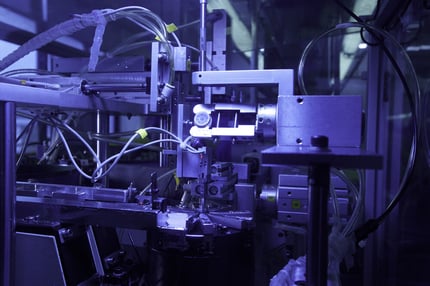
Assembly of complex joints, transmissions, and actuator systems with sub-millimeter tolerance.

Advanced Sensor Integration
Embedding EMG, tactile, and pressure sensors into durable housings while protecting signal integrity.

Highly Engineered Plastics & Molding
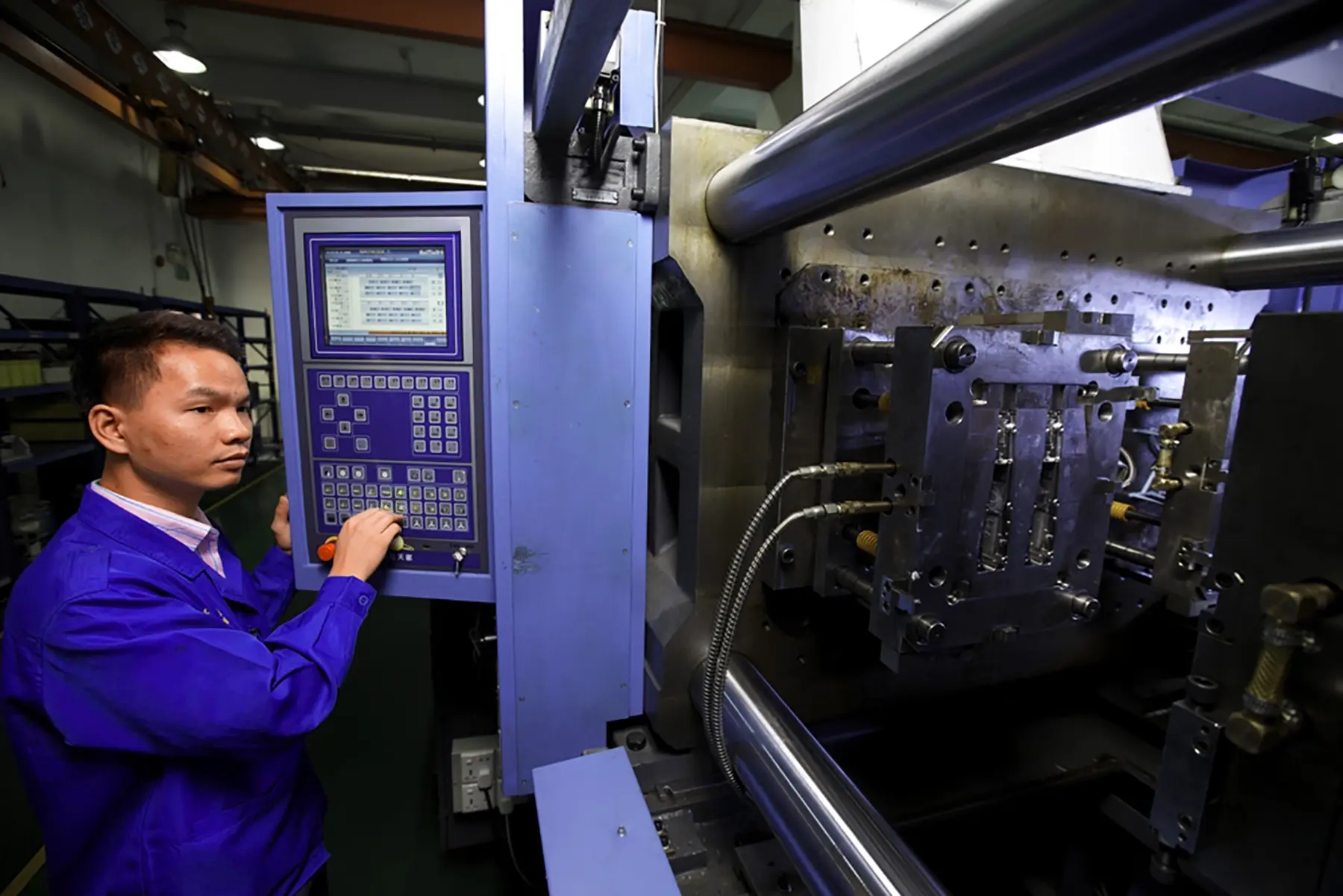
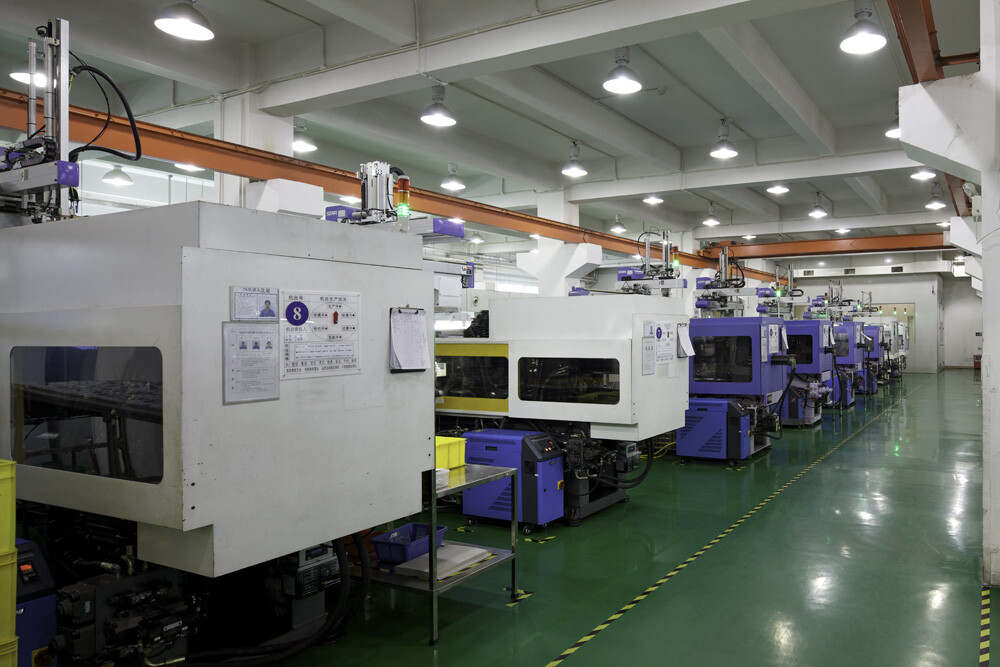
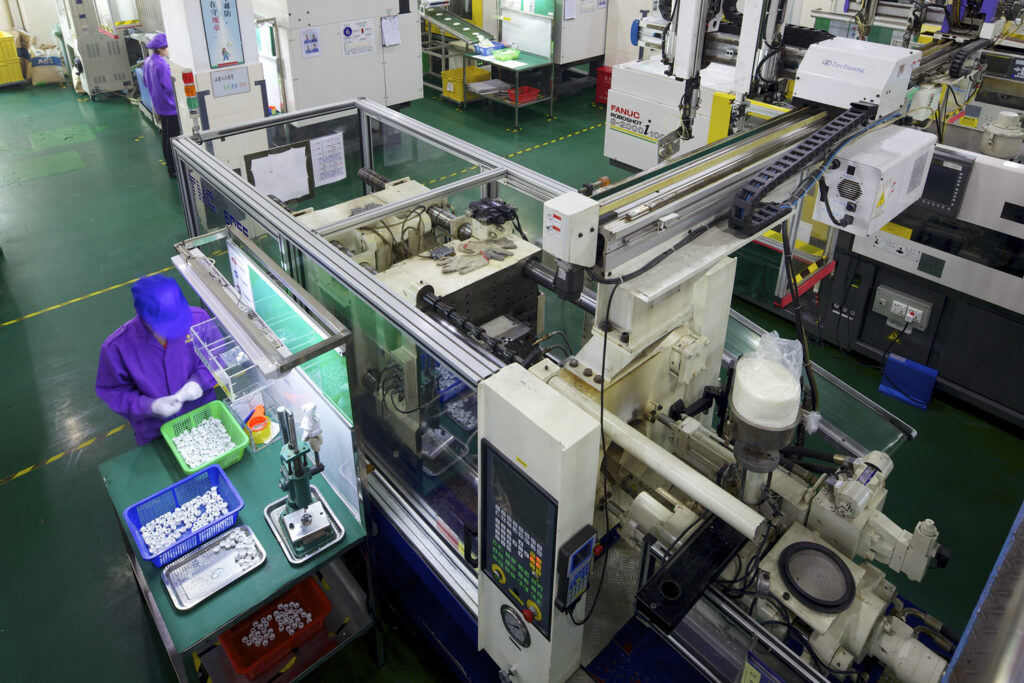
In-house tooling and injection molding for lightweight, high-strength materials and wearable form factors.

Medical-Grade Quality Control
ISO 13485-aligned controls, traceability, inspection plans, and documentation.


An award-winning bionic hand—scaled for production
Providence served as the manufacturing partner for a Time Best Invention-winning bionic prosthetic, scaling a high-performance dexterous manipulator built to mimic the human hand’s structure and function.
Highlights

Vertical integration
Tooling + molding + PCB assembly + final testing under one partner—reducing lead times and protecting IP.

Scalability
From pilot runs to high-volume production with facilities across Mexico, Vietnam, and China.

Regulatory expertise
Quality systems and documentation discipline designed for medical-adjacent and safety-critical products.
FAQ
What type of projects do you typically work on?
How can you help us control our costs?
Materials and design preferences: Some companies and products require very specific materials and designs; Whereas others have a focus on performance, regardless of how it looks or what it’s made out of. Sometimes, using alternative materials, and adjusting the specific design, can help reduce your cost-per-product, without jeopardizing its performance.
Component technicality: Some products feature multiple systems that must work together. If your manufacturer is not accustomed to connecting multiple system together, the process can be challenging. Not to mention, you might still end up with a product that doesn’t work or is prohibitively expensive. Complexity does not intimidate us and electromechanical manufacturing is our specialty. We help our customers determine the most cost-effective way to bring their products to market, at scale, without jeopardizing performance.
Timeline: We have organized ourselves to be nimble. While your budget might not be as nimble, we can work with you to determine the best approach to render your compressed timeline a non-issue. For tight deadlines, we do offer an expedited approach which allows us to have multiple aspects of your project working in parallel, such as tooling, molding, SMT, and ordering materials simultaneously.
Volume and inventory: This is one of the hardest decisions many businesses have to make. You can lower your costs by ordering more, but how soon will all the units sell, and where do you store the influx in the meantime? Luckily, we have ways of helping our partners manage this process with safety stock, risk buys, and even expedited production. We can produce more units for you within two weeks if the materials are on-hand.
Ability to customize your manufacturing process: To automate, or not to automate, that is the question. Believe it or not, but it is possible to over- automate your manufacturing process. This could result in project delays and added costs. Conversely, a fully manual process doesn’t often work either, as it’s hard to maintain quality consistency, and costs can add up here as well. We help all our partners determine the correct amount of automation so that they don’t have to choose between quality consistency, speed of manufacturing, or their costs.
Testing efficiency and quality management: Mistakes cost money. This is why we have a rigorous process to test quickly and on a small scale. Our monitoring systems allow us to detect and immediately correct issues throughout the manufacturing process. This leads to an incredibly low failure rate of 0.05% which means your budget is utilized in the most efficient way possible.

With your different locations, how do you manage language barriers?
How do you maintain a high-degree of quality?
We have cameras set up to watch the entire process, especially for key areas which include molding, soldering, and assembly.
How soon can issues be detected, and corrected? Immediately! The constant supervision of the process allows us to act quickly, helping to preserve the timeline and budget.
What’s your rejection rate? Less than 500 defective parts per million; This results in producing very little scrap material and reducing costs.
How big are the batches that you test? We follow ISO and AQL standards.
We collect data throughout the manufacturing process to monitor for issues and performance. Such data includes: Test Data, Batch Data via RFID or Barcode, Networked Production Lines, and Injection Molding efficiency.
Do you require companies of a certain size to work with you?
Can you give me an example of some product categories and specific products you have helped create?
Respiratory: Nebulizers, Ventilators, CPAPs & BiPAPs, Oxygen Concentrators, Anesthesia Equipment, Disposables
Drug Delivery: Infusion Pumps, Drug Delivery Pumps, Pharmaceutical Drug Delivery, E-Vapor Devices
Diagnostics: Disposables, Testers, Cardiac Monitors, Blood Collection, Accessories
Light-Based Devices: Hair Growth, Hair Removal, Skincare, Environment Control
Personal Health: TENS Units, Skin Beautification, Cellulite Reduction
Let's Build the Future of Human Robotics
Tell us about your robotics device, system, or concept, and our team will assess manufacturability and next steps.